Ask 10 people in Brisbane what happens when they drive a load of scrap into a yard, and you will get 10 different stories. One says the yard only cares about weight. Another says everything gets classed as "mixed" and paid at the lowest price. A third says it doesn't matter and metal should never be cleaned. There is a grain of truth in most of these beliefs, and that's what makes them stick. Unfortunately, some of them quietly cost sellers money, time and sometimes a wasted trip. These are some of the ideas we hear most often at Brisbane Metal Recycling. This article covers the most popular myths, what actually happens when your metal reaches the yard, and what to expect when you load up and drive in.
Myth One: "Scrap Metal Is Scrap Metal, and It All Pays the Same"
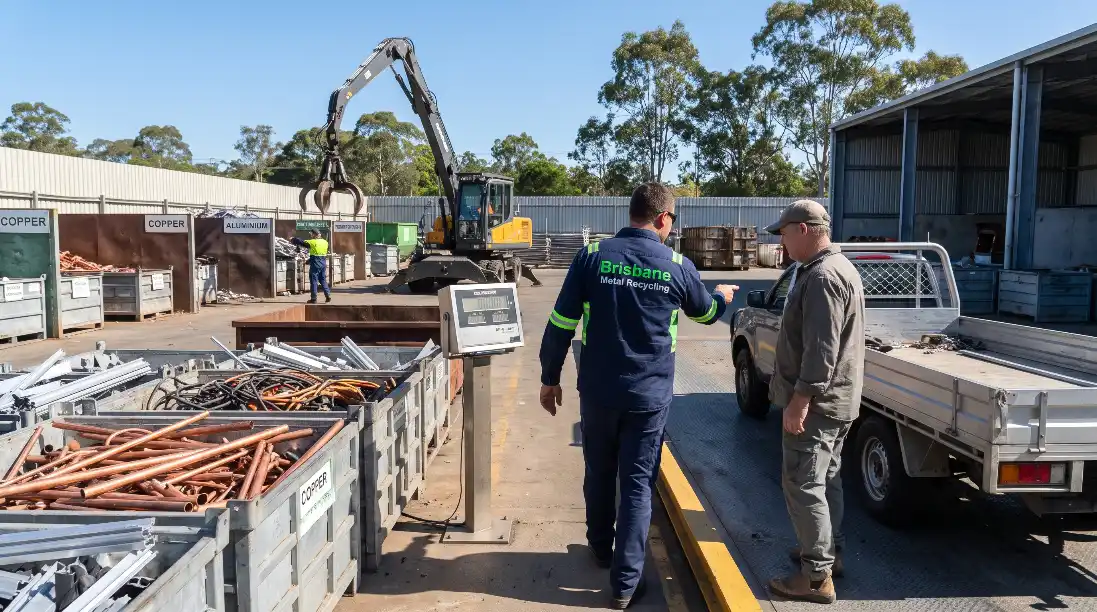
This is the biggest myth, and it causes the most disappointment. Metal isn't paid by the pile. It is paid by type, and the difference between types can be huge. Copper, brass, aluminium, stainless steel, lead and ordinary steel are all valued differently, depending on what they are worth to the mills and refiners that buy them in bulk. Think about it from the yard's perspective. Your metal is sold on to be turned into new metal products. A refiner who wants clean copper doesn't want it mixed with steel, and a steel mill doesn't want a stockpile of aluminium. So the yard sorts by grade, and the value of each grade after sorting determines the price you receive. Even though both are "scrap", a tonne of heavy steel and a tonne of copper are not remotely comparable. At the yard, someone will examine what you bring and identify each type. If you arrive with a trailer full of mixed metal, the sorting happens at the yard, and the time and labour involved usually come out of your return. If each metal arrives separated, the process is quicker and the grading is clearer.
Myth Two: "The Yard Will Sort It Out, So I Don't Need To"
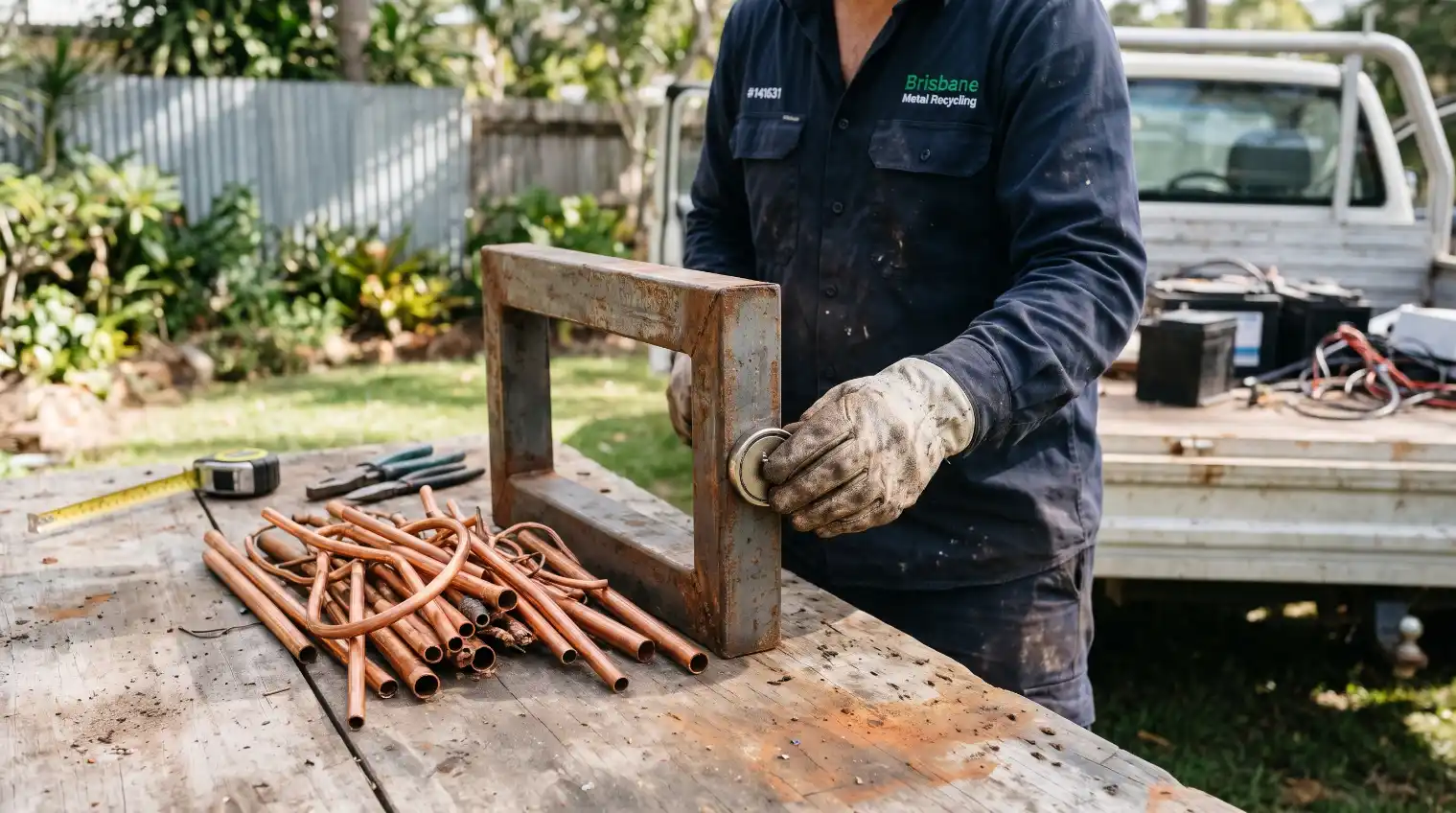
This one makes sense, and it is partly true. Yards do sort. It is an essential part of the business. However, there is a big difference between "the yard can sort it" and "sorting it myself makes no difference." A mixed load takes longer to process. It can also hide the valuable pieces. A short length of copper pipe at the bottom of a pile of steel offcuts can easily be weighed and paid as steel if nobody spots it. If you separate your metals before you reach the yard, you make sure the good metals are seen and graded correctly. That's where a simple trick comes in. A household magnet can tell you a lot. Iron and most types of steel are magnetic. Copper, brass and aluminium are not. Stainless steel is a mixed case, because some grades are magnetic and some are not, so a magnet can't settle it. For most sellers, the magnet test splits a pile into two sensible groups in a couple of minutes, and everything in the non-magnetic pile deserves a closer look. If you want to try it, our magnet trick tutorial walks you through the process step by step.
Myth Three: "Dirty or Rusty Metal Is Worthless"
Rusty, old steel is not rubbish. Rust is just a normal part of life for ordinary steel, and yards receive rusty steel every day. Scrap steel doesn't have to look pretty to be recycled. The real issue is contamination. Metal with a lot of non-metal attached fetches less, because the extra material has to be removed and the weight of the non-metal part isn't paid as metal. A pipe full of concrete, an electric motor wrapped in a plastic casing, or an aluminium frame with glass and rubber still on it all carry extra material that doesn't count as metal. In reality, the buyer checks what is metal and what isn't. Sometimes an item is graded at a lower rate because of what is attached to it. If you can remove the obvious extras before you arrive, such as plastic covers, rubber seals and loose timber, you are more likely to be paid at a cleaner grade. You don't need to polish metal until it shines. You just need to remove what clearly isn't metal when it's easy and safe to do so.
Myth Four: "Scrap Prices Are Fixed, So It Doesn't Matter When I Sell"
There is no single fixed scrap price. Prices follow international markets, manufacturers' orders and material supply. The prices of different metals don't always rise and fall together, and they can change from week to week. That doesn't mean you should try to guess the market. When a tradie or a household sells scrap, it's usually best to sell once you have a good amount on hand and the clutter is bothering you, rather than waiting for a perfect moment that may never come. But it does mean the price you were quoted last year isn't guaranteed today. If you're planning a bigger sell-off, such as a shed clean-out after a renovation, it's worth asking for current rates before you load up. At the yard, rates reflect the market on the day. A good yard will tell you what it is paying for each metal and pay you on that basis.
Myth Five: "The Scales Are Rigged"
This belief persists mainly because people feel uneasy about a process they can't see. In fact, weighing is regulated in the trade. Scales used for trade in Australia must be certified, and a reputable yard will weigh your metal in front of you or let you see the reading. There are easy steps you can take to feel more confident. Ask to see the weight. Ask how your material was graded. Have a rough idea of what your load should weigh by estimating before you arrive. None of this is rude. Good yards are used to questions and are happy to explain, because a seller who understands the process is a seller who comes back. In reality, it's usually simple. Your vehicle is weighed, your material is unloaded and sorted, and the weight of each grade is recorded. If the yard uses a weighbridge, your vehicle is weighed on the way in and again on the way out, and the difference is your net weight.
Myth Six: "Only Tradies and Businesses Can Sell Scrap"
Plenty of Brisbane scrap comes from ordinary homes: the old barbecue, the broken lawnmower frame, the bundle of copper pipe from a bathroom renovation, and the aluminium window frames left over from a house upgrade. Yards deal with private sellers all the time. As a private seller or a business, you can expect to be asked for some details. It is common for scrap yards to ask for ID when you sell, because industry rules discourage the sale of stolen material. This is normal and shouldn't concern a legitimate seller. If you're not sure what to bring, ask before you drive in.
Myth Seven: "I Should Strip Everything Down Myself to Get the Most Money"
Stripping can pay, but not always, and it can be dangerous. Insulated copper wire is a good example. Plastic-insulated wire is graded differently from clean, bare copper, because an insulated cable contains less copper by weight. Removing the insulation may raise the grade. However, if it takes hours of work and the amount of wire is small, the extra return may be minimal, and cutting into cable carries its own risks. In our article on stripped versus insulated copper wire, we explain when stripping is worth the effort and when it isn't. Some jobs are not suitable for doing at home. Leave alone anything that has been contaminated by dangerous substances, anything with stored energy, and anything you're not sure how to open safely. Lifting heavy items alone is another trap, and sharp edges on cut metal cause plenty of injuries. If something looks too difficult or dangerous, bring it in as it is and let the yard handle it.
Myth Eight: "Anything Metal Can Just Be Dropped Off"
Most metal can be recycled, but a few categories need a quick word first. Old fridges, freezers and air conditioners contain refrigerant gas, which must be handled in line with environmental rules. Gas bottles and sealed containers that may still hold pressure or residue are a safety concern. Items with batteries, fuel or oil need care too. At the yard, staff will check these items before they are accepted. If you're bringing anything in these categories, tell the team up front and ask whether there is anything you should do first. Being upfront saves time and keeps everyone safe.
Myth Nine: "A Quick Drive In Is Enough, I Don't Need to Check Anything First"
This is the one that costs sellers the most trips. A quick call or text before you drive in can answer the questions that matter: what the yard is currently accepting, whether there are items it can't take, what ID to bring, and what the opening hours are. It can also help you decide how to load your trailer so unloading goes smoothly. If you sell often, our post about the mistakes that quietly cost sellers money is worth a read. Spend 10 minutes preparing, and you can save an hour at the yard.
So What Actually Happens When You Pull In?
Once you clear away the myths, the process is simple, and knowing it takes away most of the nerves. You arrive and are shown where to go. Your vehicle is weighed, usually on the way in. You unload, and your material is checked and sorted by grade. Anything that doesn't belong, or needs special care, is set aside. The weight of each grade is worked out, and you are paid at the day's rate for each metal. A good yard will walk you through each step and answer your questions. For first-time sellers, the whole process is often quicker and friendlier than expected. To see a typical visit from start to finish, read our one-trailer-load, one-morning story.
A Few Habits That Make Every Visit Better
You don't need special skills to get a better result. Before you leave home, separate your metals into magnetic and non-magnetic groups. Remove obvious non-metal parts where it is safe to do so. Keep valuable pieces like copper and brass apart from the heavy steel. Load the trailer so you can unload safely. Call ahead about anything unusual. And ask questions at the yard, because a good yard is happy to help.
Bring Your Load to Brisbane Metal Recycling
Whether you have a few pieces of offcut or a trailer full of metal from a big clean-up, the team at Brisbane Metal Recycling is happy to explain how it all works and what your metal is worth on the day. Visit brisbanemetalrecycling.com and get in touch with any questions before you load up.