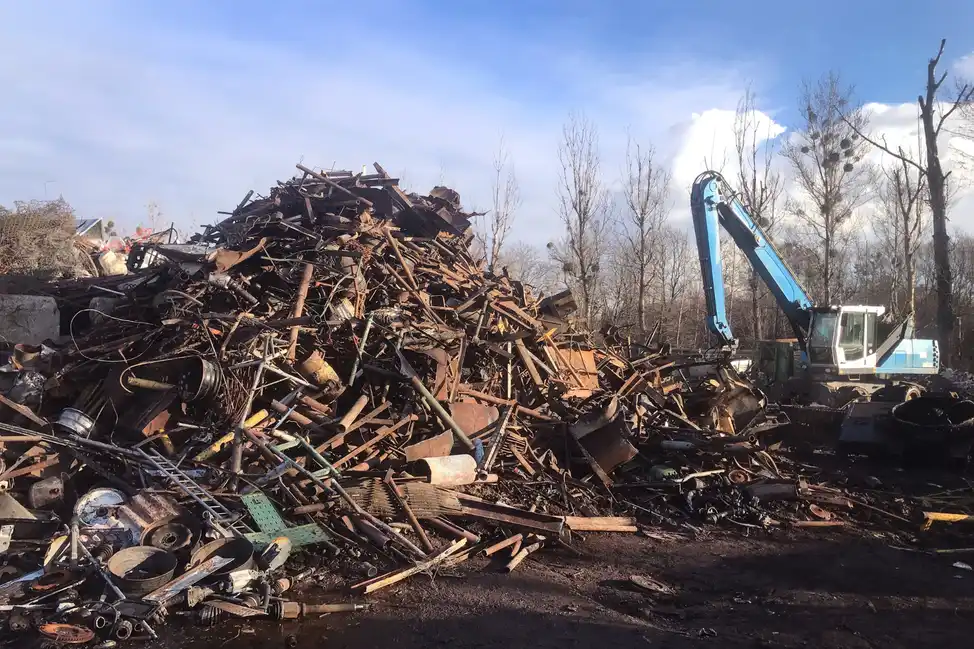
Have you ever wondered where your soda can go after you toss it in the bin? This blog answers exactly that - The entire process of sorting scrap metal before it is sent to be made useful again. Understanding how to sort scrap metal properly helps recycling centers reduce contamination, improve efficiency and increase the value of recyclable materials.
But first, why is scrap metal sorting even important in the first place?
Sorting isn't just an organization ritual for ease - sorting is the base step which determines the success rate of the entire recycling loop. Here's the thing: Scrap collectors collect all types of scrap and throw them in an unsorted pile. When different metals in this pile interact, their properties don't quite accept one another. If even a small trace of copper is left in between steel, it can ruin the entire batch, making it unfit for recycling.
The same applies at home after severe weather. Our storm cleanup Brisbane guide shows how to separate roofing, fencing and shed metal before it reaches the yard.
Sorting at home pays off too: mixing metals in one pile is the first of our scrap metal selling mistakes.
- All metals have different melting points. Putting a high-melting-point metal into the wrong furnace can cause catastrophic, multi-million-dollar damage to industrial equipment.
- Unsorted scrap increases the risk of cross-contamination. Plastics and rubber left on the metal burn up, creating toxic smoke and leaving weak air holes inside the final product.
- Trapped water or liquids inside sealed pipes can turn into steam and cause dangerous explosions inside the hot furnace.
- Scrap metal is never 100% pure. It always has impurities like paint, oil and dirt attached to it. Leaving it unsorted can not only cause trouble during the process, but also serious threats to human life. Therefore it is a necessity to sort the scrap prior to processing to avoid abnormalities later on.
Step 1: Sorting Scrap Metal into Ferrous & Non-Ferrous Metals:
A crucial step in metal recycling is sorting. The collected scrap metals have a variety of different types of materials in them - sorting is important as it increases the efficiency of the process and the market value of the scrap. The scrap is divided into two primary categories:
- Ferrous Metals: Ferrous metals - which include iron, steel and cast iron, contain high amounts of iron giving them magnetic properties. Ferrous metals are also vulnerable to rust. These metals are generally heavier than non-ferrous metals; which is why massive overhead magnets are used to lift them off the conveyer bed.
- Non-Ferrous Metals: Non-ferrous metals are non-magnetic metals, typically including aluminum cans, copper wiring etc. They are lightweight and completely resistant to rust. Non-ferrous metals hold more market value than ferrous-metals, making them more valuable economically.
Step 2: Shredding the Scrap
Before the scrap can be sorted in the sensor systems, it must be broken down into smaller pieces through the process of shredding. Shredding uses massive industrial shredders to break down giant scrap into manageable pieces. Shredders use high-powered rotating hammers and blades to break through rough metal. Items like dishwashers and washing machines to entire junk-cars go through this process, and in a matter of seconds they turn into small fragments that are easier to process.
Step 3: Melting the Scrap
After sorting and shredding, the scrap reaches the most energy-intensive phase. The scrap fragments are loaded into giant furnaces and are melted at high temperatures. Every metal has its specific furnace, each designed to operate on their exact melting points, examples include:
- Aluminum Furnace which reaches up to 1,220 F
- Steel Furnace which reaches up to 2,800 F
- Copper Furnace which reaches up to 1,984 F
This process is crucial since this leads to the moulding and making of new products.
Step 4: Moulding & Shaping
Once the scrap is turned into liquid, it is poured in heavy-duty moulds:
- Ingots: These are large rectangular blocks of solid metal. These molds are easy to store, stack and ship to warehouses.
- Billets & Blooms: These are long, square or cylindrical bars of metal. These are specifically shaped to be fed directly into industrial machinery for further processing.
Items that come to life by this process are listed below:
- Beverage cans & food tins
- Car frames & engine blocks
- Construction beams & rebar
- Household appliances (fridges, ovens)
- Cookware & cutlery
- Electrical wiring
- Aerospace components
There are so many things around us that are entirely made of recycled metal. You might be fascinated by a high-tech skyscraper, while having zero idea that part of its structural beam is composed of the soda you recycled years ago. Recycling is indeed - a hauntingly beautiful process, that alters the lives of many, quietly.
Step 5: Shipment & Distribution
This step is the full stop of our recycling process. The final process involves packing the newly-formed products in shipment boxes. The shipment boxes require transport to move them because of their weight.
- The products undergo various tests and checks, such as quality inspections.
- The next step is loading the cargo; industrial cranes load the massive metal blocks onto flatbed trucks or ocean cargo vessels, secured by tight steel bands.
- The final product is carefully delivered to the manufacturers and warehouses worldwide. These products are labelled and stamped, stocked into supermarkets or sold to private vendors. They are sold worldwide as consumer goods, finally turning into something worth from something that was once mere apparent trash.
The Impact - Environmental-Economical View
Recycling is the real deal when it comes to impacting the economy and the environment. Choosing to take the time to sort scrap metal radically transforms our planet's footprint while simultaneously boosting world trade.
For The Environment
Mining raw metals destroys natural eco-systems and puts the lives of miners at potential risk. Can you enjoy the cool breeze from your air-conditioner that literally cost someone their life, or the habitat of an animal? This is where recyclers play hero; by choosing to recycle your soda can, you are protecting both human lives and wildlife habitats. Not only that, but recycling saves energy, tons of water reserves, and eliminates the toxic smoke from the burning of fossils - just by recycling a can? The only contract that generates more revenue than you ever invested.
For The Economy
Think about it-why spend millions digging up new metals when we already have tons of it sitting in our trash? This is where recycling becomes a massive financial engine. By feeding pre-sorted scrap back into factories, industries drastically cut down on raw material costs and expensive importing fees. The global scrap trade is a booming business that pumps hundreds of billions of dollars back into local markets. Even better, it creates stable industrial jobs at a rate far higher than dumping junk in a landfill.
Recycling is a never-ending deed. A recycled product can go on and on, saving generations because you were thoughtful enough (or maybe did it for fun) - regardless, recycle as much as you possibly can. If you want to learn more about the complete recycling journey and how local facilities operate, read our blog What is Scrap Metal Recycling? - How Does It Work in Brisbane?.