When you arrive at a Brisbane Scrap Yard, what they're looking for when you pull in: a seller's inspection checklist!
The first time you arrive at a Brisbane scrap yard, it may be a little daunting. You might be wondering whether your load is worth traveling to the yard, how the yard will take it, whether it needs identification, and what happens if your piece is mixed with other materials. Yard inspection is typically more hands-on. Staff should determine what you have, assess its condition and suitability, weigh it accurately, and confirm they can accept it. With a little preparation, the process can be quicker and help you avoid unpleasant surprises. This checklist for the Seller explains what Brisbane scrap yards look for when you arrive, how to get your load ready, and what you can do wrong that will affect your payout. Check large, unusual, and potentially hazardous items directly with your chosen depot, as each yard has its own acceptance rules.
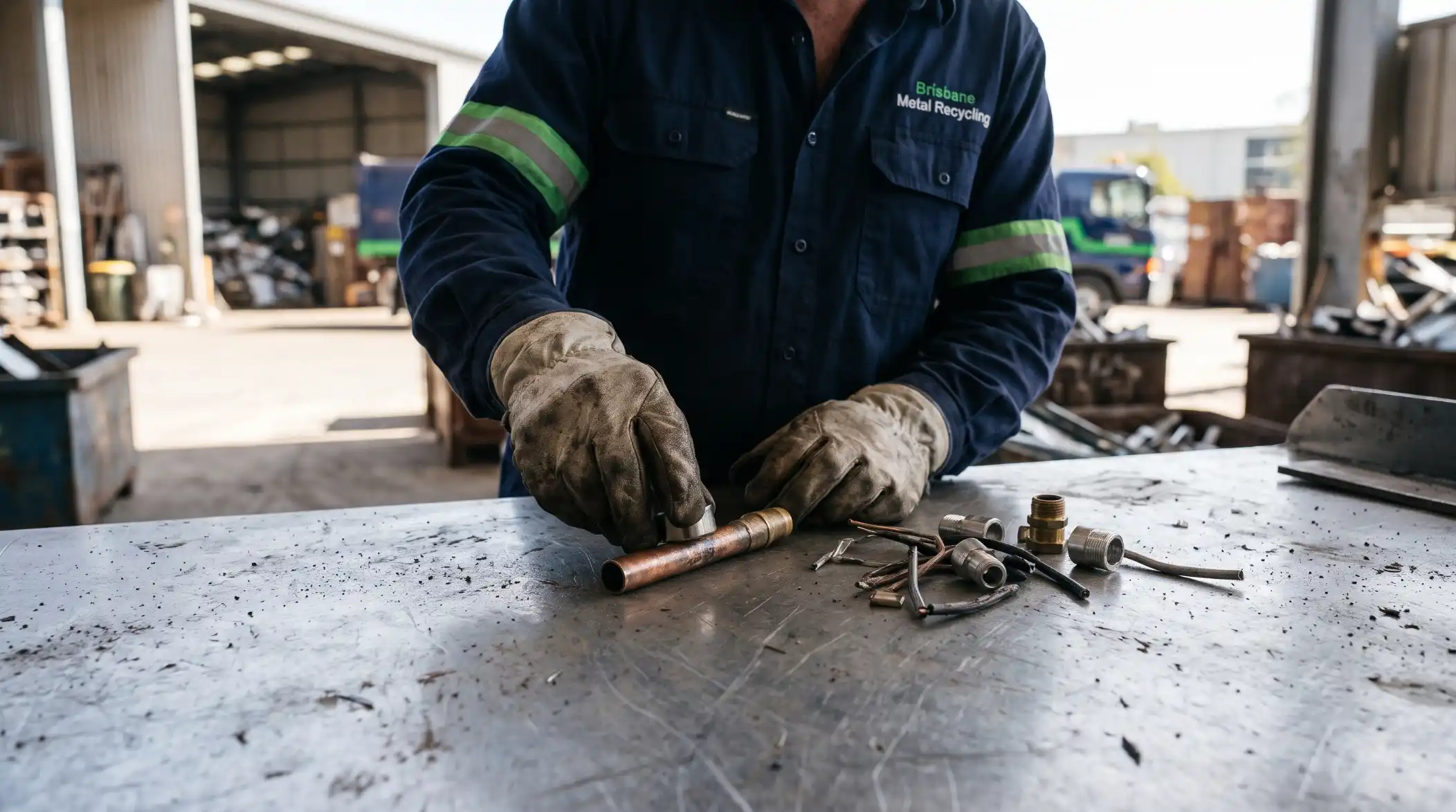
The purpose of the yard inspection is to assess your load.
The scrap metal is purchased and sorted by its material, grade, condition and weight. A load of clean copper pipe is not the same as a load of insulated cable, steel pipe, or copper mixed with other materials. At the yard, items may be placed in different categories even if they appear similar to a seller. Staff must also consider safety and handling. Failure to process a gas bottle, sealed container, or appliance with refrigerant properly can pose a risk. If the yard is unable or unwilling to safely and legally accept an item, it may ask questions or refuse the item. Commonly, Brisbane yards accept ferrous metals like steel and iron, and non-ferrous metals like copper, brass, aluminum, stainless steel, lead, and zinc. They may also take car batteries, whitegoods, air-conditioning units, e-waste, or end-of-life vehicles (EOL vehicles) – please check with individual depots first. For instance, some Brisbane facilities recycle certain metal mixtures, and some recycle certain appliances, so the yard's “what we buy” information is the best indicator of what you can recycle with your load. Examples include United Scrap Metal Traders' acceptable materials and information from the Sims Metal yard at Rocklea.
Preparing the load before going
The first inspection happens before the weighbridge. Try to identify and separate obvious metals into groups (if possible). Separate copper from brass, aluminum, stainless steel, and regular steel. Keep insulated cable away from bare copper, and set aside batteries and appliances; do not mix them with other loads. This helps employees determine what is being presented and can save time when sorting. Some Brisbane yards say that segregating materials before they arrive helps ensure the correct grade for each batch. Per the drop-off guide from United Scrap Metal Traders, weighing and grading is one step in the drop-off process. Clear away loose debris, soil, timber, plastic, and other non-metal material where feasible and safe. Avoid removing appliance components or cutting pipes to clean them unless you know their contents and can do the work safely. Specialist handling of refrigeration equipment, electrical components, pressurized containers, and fuel systems may be required. Please give prior notice if a vehicle or unusual equipment/load is to be scrapped. Inquire if the depot will accept the item, if it must be drained or prepared, and if you must make an appointment or have separate documentation. If the item is still useful, consider the following options for resale or reuse before taking it to the yard as scrap: the yard does not consider the value of the item as working equipment, but rather the value of the metal in the item.
What staff want to see when you come in!
Material and grade
The worker will determine the kind of metals in your load and which group it fits into. Copper can be sorted by form and cleanliness: Cable with insulation is not the same as clean bare copper. Aluminum can also come in various forms, and a metal product containing plastic, steel, or other materials may be graded separately from a clean, separated batch. Be careful not to use color alone to identify a metal. Items that have been painted, coated, or plated may not be easily recognizable. Staff have the right to observe and/or use their own grading system. Be honest in describing the material if it contains a mix of metals or attachments.
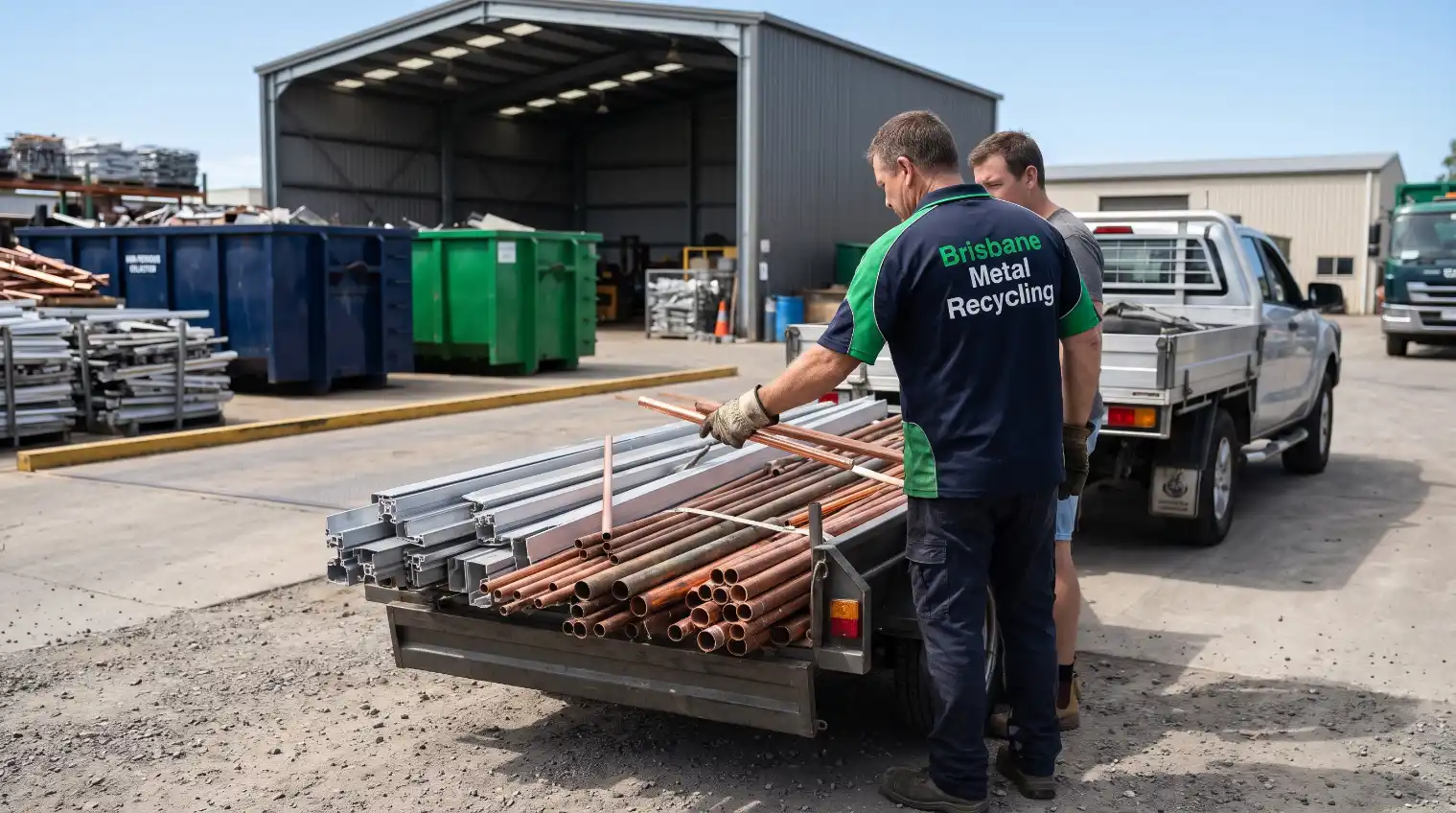
Condition and contamination
Dirt, oil, concrete, rubber, paint, insulation, and non-metal attachments can affect how you handle and grade a load. A tidy, sorted item is usually easier to classify than a knotted or soiled one. Do not, however, strip coatings, burn wire, or use chemicals to remove unwanted material. These practices are potentially hazardous, can corrode the metal, and can cause environmental or legal problems. If there are several materials in a fitting or assembly, do not split it apart unless instructed to do so by the yard. If you're unsure about an item, send a picture to the yard or call them.
Safety risks
Staff are responsible for checking that there are no hazards, such as sealed tanks, gas cylinders, fire extinguishers, batteries, liquid-filled components, sharp edges, or appliances with refrigerant inside or connected to the appliance. Don't place these items at the bottom of a load where they are hard to see. Inform the yard of what you have and how it is to be delivered. Always carry a container that may contain fuel, chemicals, or compressed gases only after obtaining the depot's requirements. When in doubt, don't unload it; ask first.
Ownership and identification
Be prepared to disclose the source of the material and to assure a client that you are legally permitted to sell it. This is especially relevant for goods that can likely be traced to a business, building site, utility, or public asset. The second-hand dealing rules in Queensland require licensed second-hand dealers to verify and record seller information for certain purchases and sales. The Queensland Government also says it has agreed to further measures to identify and record scrap metal, and that details on commencement and implementation should be reviewed against official guidance. Bring current photo ID and ask what information is required to complete your transaction. The Justice and Other Legislation Amendment Bill 2026 further strengthens the Queensland Government's requirements for second-hand dealers regarding identity information. Requirements may change; follow the instructions given in the yard and the current Queensland guidance. If you are selling as a representative of an employer, customer, or property owner, take any documentation or permission that the yard may ask for. When calling a vehicle, ask about the ownership/vehicle documents required, which may vary by vehicle and service.
When checking for weight and grade, make sure to follow these guidelines
The vehicle may be weighed before and after unloading, or staff may weigh individual items or unload in batches. The difference between the vehicle's loaded and unloaded weights can be used to determine the scrap weight. Other scales might be used for smaller loads. If you're not sure, ask the staff member to explain the process. Notice the grouping of your materials. If there are multiple grades, ask whether each grade will be graded individually and how the yard has categorized them. It's fair to request the grade and weight of your payment. If the material is in a category, the explanation should inform you what it is in and why. If there is an amount, the explanation should tell you what the amount is and how it was arrived at. Scrap prices may fluctuate with the market, and the price you saw online a few days ago may not be the price you get when you arrive. Ask the yard for the current rate before embarking on a long journey, and find out whether the quoted price depends on grade, quantity, preparation, or contamination. Do not compare a clean-material rate to a rate for mixed-material or insulated-material as if they were for the same product.
What can decrease the payout—or prevent the sale?
A frequent error is showing up with all of the pieces. When copper, aluminum, steel, brass, and rubbish are all mixed in one load, it can take more time at the yard to identify and sort the load. In some cases, a blend of materials will be given a lower grade than clean, separated metal. The other error is leaving contamination on. Concrete on steel, plastic on copper, or oil in a component could affect the grade or make an item unsalable. Do not assume how important it is – ask the yard what preparation is worth doing before doing any extra work. Likewise, the yard can postpone or refuse loading if it finds prohibited loads, concealed hazards, or non-depot-accepted materials. Although a yard's website lists common materials, that doesn't mean all forms, sizes, and conditions are accepted at every yard. Inspect before traveling with fridges, air conditioners, batteries, gas bottles, e-waste, vehicles, or unusual-sized items. Last but not least, don't give a general or incorrect response about who owns it or where it's from. Questions may be asked by the yard as part of its transaction records and checks. If you cannot determine where an item originated, figure it out first, then try to sell it.
Stuff to check out before you leave for home
See if you know what each major item is made of, and whether it is clean enough to be considered a separate material. Check that accepted items are acceptable at the depot of choice and that any hazardous or specialist items have been discussed with staff. Ensure that the load is stowed for transport with sharp edges covered, where possible, and loose parts contained. Have identification and any pertinent ownership documents available. If you are traveling with a vehicle, appliance, or large equipment, check the depot's entry and unloading policy before arrival. Upon arrival at the yard, follow staff instructions, refrain from unloading until you're directed where to place it, and ask questions before placing it in a mixed pile. These simple routines prevent re-sorting and make it easier to determine the final weight and grade.
To ensure a smoother visit, follow the directions below
Phone the yard and provide a brief description of the load. State the metals you have, an estimate of how much, whether it's combined or mixed, whether it's contaminated, and any appliances, batteries, or vehicles. Submit a clear picture of the complete item and labels and connections (if applicable) if the yard will accept it. Arrive at the stated operating time of the depot and do not cut through the site unless there are clear traffic signs on the site. Wear appropriate footwear and gloves when handling materials, and follow the yard's directions on where customers can walk and unload. Ensure that if any aspect of the scale reading, grade or price is unclear, ask the staff person to explain it before the transaction is completed. Many scrap yards and Brisbane recycling centers exist, but they are not all the same. Some items that can be recycled at Council resource recovery centers, such as metal, are accepted under specific conditions, which differ from the services offered by commercial scrap buyers. Before selecting a site for your load, review the conditions of that site. Brisbane City Council provides information on these resource recovery centers, including a list of accepted materials and details about facilities.