Scrap metal is one of the few things that pays you for cleaning up. The old bike frame at the back of the shed, the offcuts from a renovation, the bundle of cable from a rewiring job, the pile of steel from a factory clear-out: all of these have one thing in common. Somebody will pay you for them. How much you get depends on what you have and how well you prepare it. We see all kinds of sellers at Brisbane Metal Recycling. Some people are standing at the weighbridge for the first time and don't know what half their load is. Others arrive weekly and can sort a ute tray of mixed metal in their sleep. Many tradespeople, such as builders, electricians, plumbers and fabricators, sell scrap regularly as a sideline without giving it much thought. These groups need different advice, and a single guide pitched at one level tends to bore one group and lose another. So this guide is split into three levels. Level 1 is for first-time sellers who need the basics. Level 2 is for sellers who want to improve their returns with smarter sorting. Level 3 is for regular and bulk sellers who want to treat scrap as a system. Start wherever you like, and feel free to jump back or ahead.
Level 1: First-Time Basics
The first thing to learn is that scrap metal falls into two broad families. Ferrous metals contain iron, and most of them are magnetic and rust. Steel beams, old gates, car bodies, tools, bed frames and most appliance casings belong here. Non-ferrous metals contain no iron, so they don't rust the same way and aren't attracted to a magnet. This family includes copper, brass, aluminium, lead, zinc and many types of stainless steel. Non-ferrous metals are usually worth more per kilo, so a small bucket of copper pipe can be worth more than a much larger pile of steel. The simplest tool you can have is a fridge magnet. Hold it against an item. If it sticks firmly, the item is likely steel or iron. If it doesn't, it's a non-ferrous metal or possibly a non-magnetic type of stainless steel. Either way, it's a quick test that splits your pile into two useful groups, and it's one of the best habits a beginner can build.
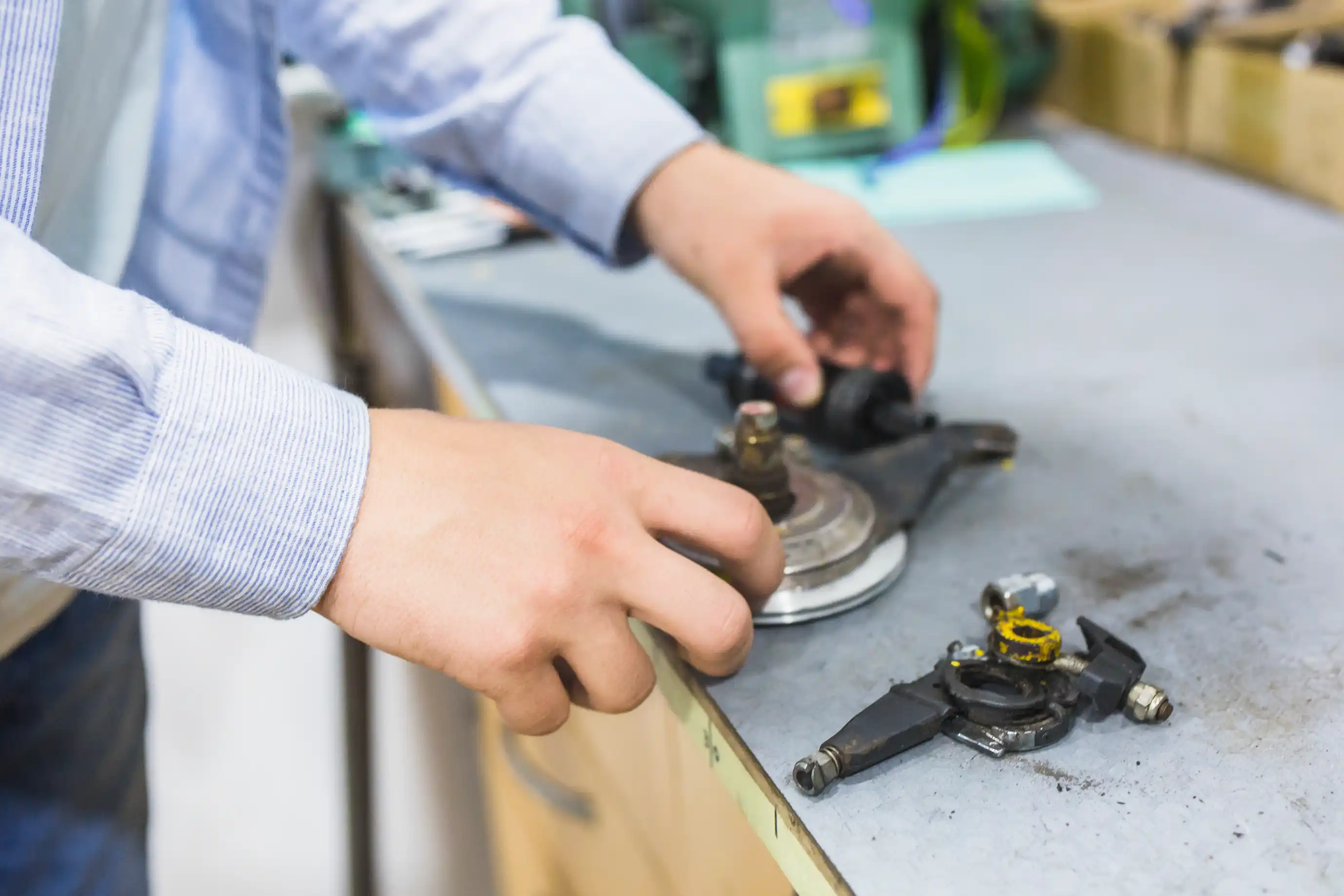
Next, think about what you're actually carrying. Check whether each item is made of one metal or several. A garden tap may be brass with a steel handle. An old extension lead is copper wire covered in plastic. A lawn mower is mostly steel, with an aluminium deck, rubber wheels and an engine that contains oil and fuel. Mixed items can usually still go to a recycler, but you'll generally be paid for the metal only, so removing obvious non-metal parts and hazardous fluids beforehand makes the visit smoother. If you're bringing anything unusual, such as gas bottles, fridges, air conditioners or batteries, contact the team in advance and ask how to handle them, as some items need special treatment. When you arrive, the process is fairly straightforward. Your vehicle is typically weighed with the load, unloaded in the area you're directed to, and weighed again. The difference is the weight of what you brought. Recyclers will usually ask for photo ID, and payment methods vary by business, so check when you call. Finally, think about safety. Wear sturdy closed shoes and thick gloves. Metal edges are sharp, old items can hold rust and splinters, and heavy items can cause back injuries if lifted incorrectly. Don't cut into or break open anything that has held gas, chemicals or fuel unless you know how to do it safely. A little preparation makes your first visit relaxed and efficient, and you'll probably wonder why you didn't do it sooner. For a quick first-visit checklist: use a magnet to split magnetic from non-magnetic metal, bring your photo ID, call ahead about fridges, gas bottles and batteries, and wear gloves and closed shoes.
Level 2: Getting More From Every Load
After your first or second scrap sale, you'll start to notice patterns in the numbers. Two loads that look identical can earn very different amounts, and the difference is mostly down to preparation. The most powerful lever is separation. A recycler can pay a better price for clean, single-type metal. Mixed metals are typically processed as a lower grade because they need to be separated before melting. That's why sorting is one of the best uses of your time. Spend ten minutes separating brass from steel, or aluminium from copper. A clean brass tap and a brass tap with a steel fitting attached are different products, and a clean copper pipe is not the same as a copper pipe with a steel fitting soldered to it. The second lever is cleanliness. Dirt, paint, concrete, insulation, plastic and oil add weight but aren't metal, and a good yard will factor that into the weight. Knocking off loose concrete, rubber and plastic, and keeping your metal reasonably dry and free of rubbish, makes for a better load. The most common example is electrical cable. Insulated cable generally fetches less than stripped bare copper, because someone has to remove the insulation to get to the copper. Whether stripping is worthwhile depends on the quantity and your patience. A few metres of cable isn't worth the trouble, but a large pile might be. Ask about the price difference when you sell and do the maths yourself. The third lever is vocabulary. You don't need to be a metallurgist, but it helps to know the common categories. Aluminium comes as cans, window frames, extrusions, sheet and castings, and each trades at a different price. Copper comes as pipe, wire and heavier grades. Stainless steel is sometimes mistaken for regular steel, but a stainless sink or kitchen bench is typically worth much more than the mild steel equivalent. Brass appears as taps, fittings, keys and ornaments. Lead turns up in roofing flashings and batteries and should be handled with care. The more precisely you can describe your load when you call, the better the team can tell you what to expect. The fourth lever is understanding price movement. Global markets affect metal prices, so what you were paid last month may not match what you're paid today. That's simply how the industry works. If you're not on a deadline, you can check prices over a few weeks and sell when it suits you. Just don't hold material for months waiting for a higher price, since storage takes up space and metal prices don't always climb. Finally, keep simple records. Take photos of your load before you leave home, note what you took and what you received, and keep labelled containers for sorted metal. After a few visits, you'll know which items are worth your time and have a record of what works.
Level 3: Regular and Bulk Selling
If you sell scrap weekly or monthly, whether from a worksite, workshop or property, scrap is no longer a one-off chore. It's a process. The aim is to save as much time and money as possible while keeping everything safe, compliant and tidy. Start by sorting at the source. The best systems capture metal when the waste is created, not later. A fabricator might have separate bins for steel offcuts, stainless offcuts and aluminium. An electrician might keep one drum for stripped copper and another for insulated cable. A plumber might have one tub for copper and one for brass fittings. Putting metal in the right bin the first time saves the hassle and cost of sorting a mixed heap at the end of the month. Next, think about volume and logistics. With larger loads, transport becomes a real cost. A full trailer is far more efficient than a half-full ute making a run every few days. Different businesses have different pickup arrangements, so ask about collection, bin options and how much they can handle. Where possible, having material collected rather than hauling it yourself can save time and fuel. Documentation matters too. For businesses and trade sellers, accurate records simplify bookkeeping and show what you sold and when. Keep copies of weighbridge tickets and payment records, note which job the material came from, and talk to your accountant about how scrap income should be treated in your books. Tax treatment varies from person to person, so it's best not to assume. Safety and compliance go hand in hand. Heavy loads call for good loading practices, secured loads, the right lifting gear and good site housekeeping. Batteries, gas bottles and anything that might contain fluids should be handled separately and according to the rules that apply to your industry. If your work produces hazardous or regulated materials, deal with them properly before they ever end up in a scrap pile. Lastly, build a relationship. For regular sellers, it's a big advantage to know who to contact, what kind of loads the yard wants and what information they need from you. Planning is easier for both sides when the recycler knows what you're producing and when. Raise questions, give notice of big jobs like demolitions or shed removals, and share feedback on what could run more smoothly. A good working relationship is worth more than a few cents a kilo.
Choosing Your Level
Whatever level you're at, the principles are the same: know what you have, keep it sorted, keep it clean, and talk to your recycler before you drive in. When you're ready to cash in, contact Brisbane Metal Recycling and tell us what you've got. We'd rather answer a question before you load the trailer than have you bring the wrong things across town.