No one makes money from scrap in one grand act. It happens gradually, through small habits. Everything goes in one bin because it's faster. You drive to the yard without calling because you were going that way anyway. You hand over something without knowing what's in it. None of these seem costly at the time, but together they can quietly cut the value of your metal. This is a mistake audit. Read through each point as if you were assessing your own habits, then ask the audit question at the end of each section. If you answer yes to any of them, that's where your money is going. We talk to customers every day at Brisbane Metal Recycling, and the same mistakes keep coming up. The good news is that you can fix all of them, and many are free and take under ten minutes.
Mistake 1: Mixing Metals in One Pile
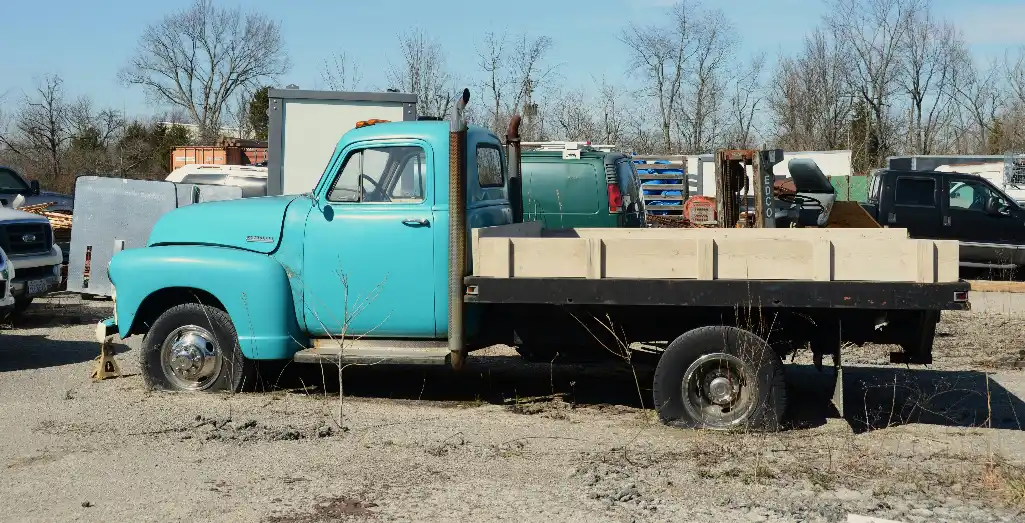
This is the most common and most expensive mistake. Mixing steel, aluminium, copper and brass makes a load harder to value, and it's often treated as the lowest grade present. Valuable non-ferrous metal can get lost in a pile of cheaper steel, and you're paid as if it were all the same. Using a magnet to split your metal into magnetic and non-magnetic groups only takes a few minutes and can make a big difference. If you have time, go further and keep copper, brass and aluminium apart too. Audit question: Could I divide any of my scrap into two or more piles?
Mistake 2: Not Cleaning Your Material
Dirt, concrete, paint, insulation, foam and oil aren't metal, but they still add weight. A load covered in mud or plastic is worth less than the same metal without it, because the recycler has to deal with everything that isn't metal. You don't need to wash it until it sparkles. Drain fluids where possible, and safely remove rubber, plastic, concrete dust and rubble. A cleaner load is faster and easier to assess, and it shortens your visit. Audit question: Am I bringing in material that isn't metal?
Mistake 3: Not Checking Before You Drive In
Few errors waste as much time or fuel as arriving with a load that can't be accepted or isn't ready. Some items, such as fridges, air conditioners, gas bottles and batteries, may need special handling. Businesses can also have different hours, payment methods, quantity limits or entry rules. A quick call or message before you load up lets you confirm what's accepted, current rates and what you need to bring. It costs less than any insurance in the industry and takes about two minutes. Audit question: Before leaving, have I confirmed what to bring and what to expect?
Mistake 4: Taking Items Apart the Wrong Way
Many sellers try to take things apart, which is a good instinct but can go wrong. Cutting up something you don't understand can be dangerous, particularly if it used to contain fuel, refrigerant, chemicals or pressurised gas. The opposite can also be true. Separating a simple component, such as a steel bracket from a brass fitting or a plastic housing from a motor, can add value compared with selling the item whole. The balance is to remove what is safe and simple, and leave anything risky to people equipped to handle it. Audit question: Have I removed what's safe to remove and left alone what isn't?
Mistake 5: Not Knowing the Difference Between Stripped and Insulated Wire
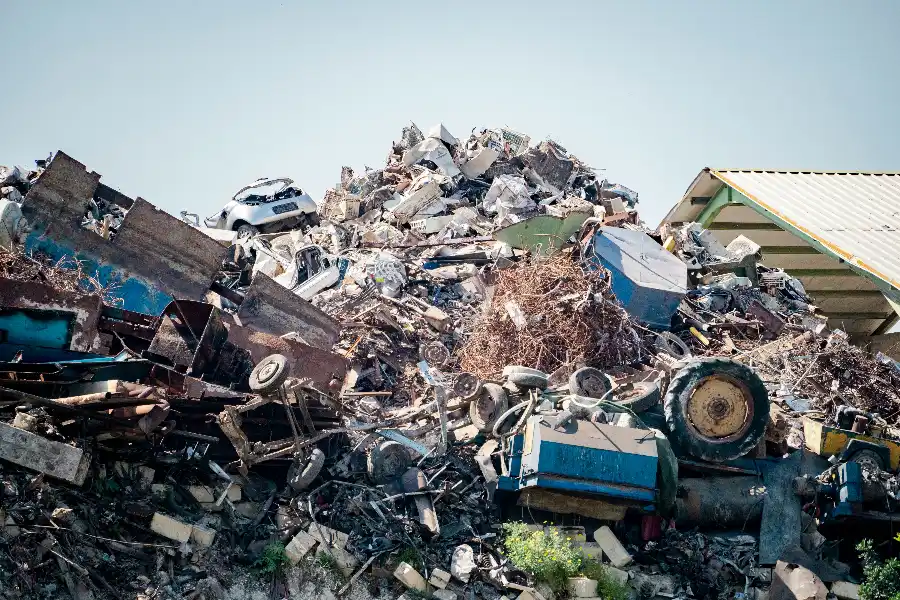
Electrical cable often looks like a bundle of worthless rubbish, but the value is in the copper. Insulated cable is usually worth less per kilo than clean, bare copper, because the coating has to be removed to get to the metal. Some sellers spend hours stripping every inch for a few extra dollars. Others send through a load of cable without realising how much copper is in it. Work out which camp you're in by calling for prices and weighing up your time. If you only have a small amount, don't bother stripping it. If you have a large pile, the maths may favour stripping. Audit question: Have I compared prices for insulated and stripped wire to see which suits the amount I have?
Mistake 6: Mistaking One Metal for Another
The classic example is stainless steel. At first glance it looks like ordinary steel, but most grades are worth more, and some aren't magnetic. You might assume a non-magnetic item is aluminium or that a shiny item is cheap, and end up mislabelling your load. Brass and copper are also easily confused, as both can look golden or reddish. If you're not sure, use a magnet, check for markings, and say what you think it is when you call or arrive. Ask rather than guess. Audit question: Do I know what each item is?
Mistake 7: Holding On Too Long or Selling Too Fast
There are two opposite mistakes here. Some people hold on to scrap for years, hoping the price will rise, but the pile wastes space, rusts, and creates clutter and safety problems. Others sell the moment they have anything, making lots of small trips that burn fuel and time. Prices move with global markets, and there's no sure way to know when they'll peak. A good approach is to save up enough for a worthwhile trip, store the pile safely and in order, and sell when it suits you. Audit question: Am I following a plan, or acting on habit and guesswork?
Mistake 8: Skipping the Paperwork
A simple record of what you sold, when, and what you were paid is valuable, whether you're a homeowner or a business. Business sellers should keep weighbridge tickets and payment records for their books. Without them, it's hard to spot returns that seem off or to track your results over time. Recyclers also often require identification. If you run a business and your scrap income is part of it, talk to an accountant. Audit question: Can I say what I sold last time and how much I was paid?
Mistake 9: Overloading or Not Securing the Load
Shifting, spilling or overweight loads put you and others at risk. Sharp or heavy metal can cause serious injury if it comes loose. Distribute the weight properly, tie it down securely, and make multiple trips if necessary. An unsafe load costs far more than extra fuel. Audit question: Is my load on a safe, level and secure surface, and tied down?
Run Your Own Audit
Take ten minutes and go through the nine questions above. At least two or three will probably get an honest yes. Choose the easiest one and fix it before your next trip. A magnet, a few labelled bins and a quick phone call will take care of most of it. Here's a quick one-minute version:
- Are my metals divided into magnetic and non-magnetic?
- Does the load look reasonably clean?
- Have I told the team about anything unusual?
- Do I have my photo ID?
- Is the load secure and safe?
If you're unsure about anything on that list, contact Brisbane Metal Recycling before you leave. We'd much rather answer your questions than have you lose money on a load that could have been more profitable.