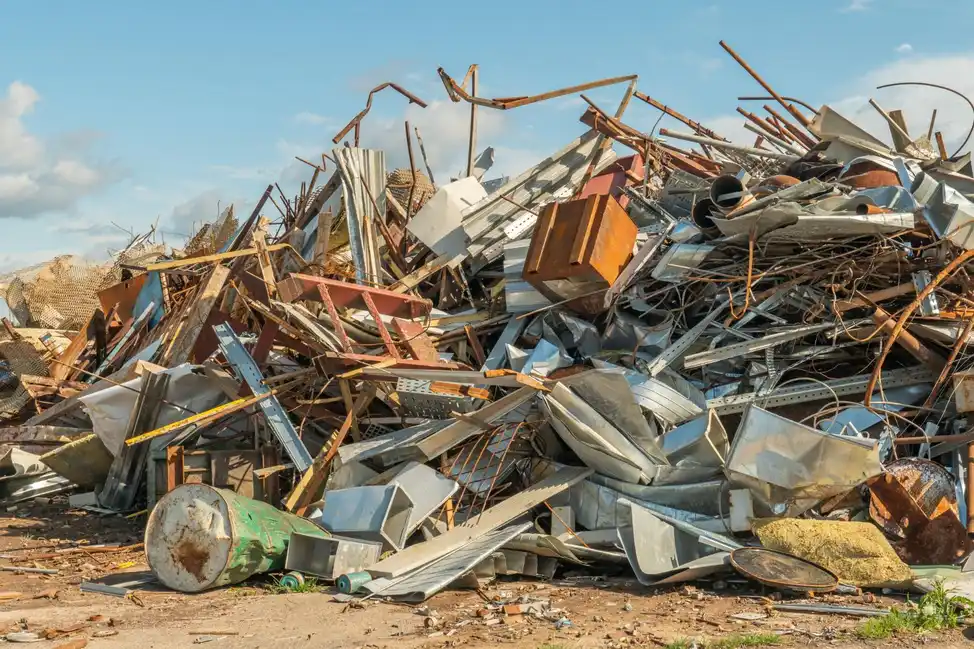
Ever wondered – is your discarded metal trash or treasure? Knowing scrap recycling ethics is a basic skill everyone needs to learn in today’s economy. Metal recycling brings extra money in the wallet, safety to the environment and materials that reduce the need to mine from scratch – but, what actually qualifies as a quality metal to recycle? This blog features metals, their characteristics, and recyclability rate, for people who want to recycle, but don’t know how to.
If you need a practical household sorting guide, read can you put metal in the recycling bin for a quick breakdown of what goes in the bin and what should be sold to metal recyclers.
If you are sorting a larger factory or workshop load, read how to get rid of industrial metal waste in Brisbane for the industrial handling side of contamination, hazardous items, and bulk collection.
To see how these categories are separated in a real yard before melting, read how scrap metal is sorted before recycling.
If you want the next step after sorting, read what is scrap metal recycling and how it works in Brisbane for the full collection, refining, melting, and shipment process.
Ready to cash in? Our three-level guide to selling scrap metal walks you from your first visit to regular bulk selling.
Ferrous Metals – The Sticky Fellas
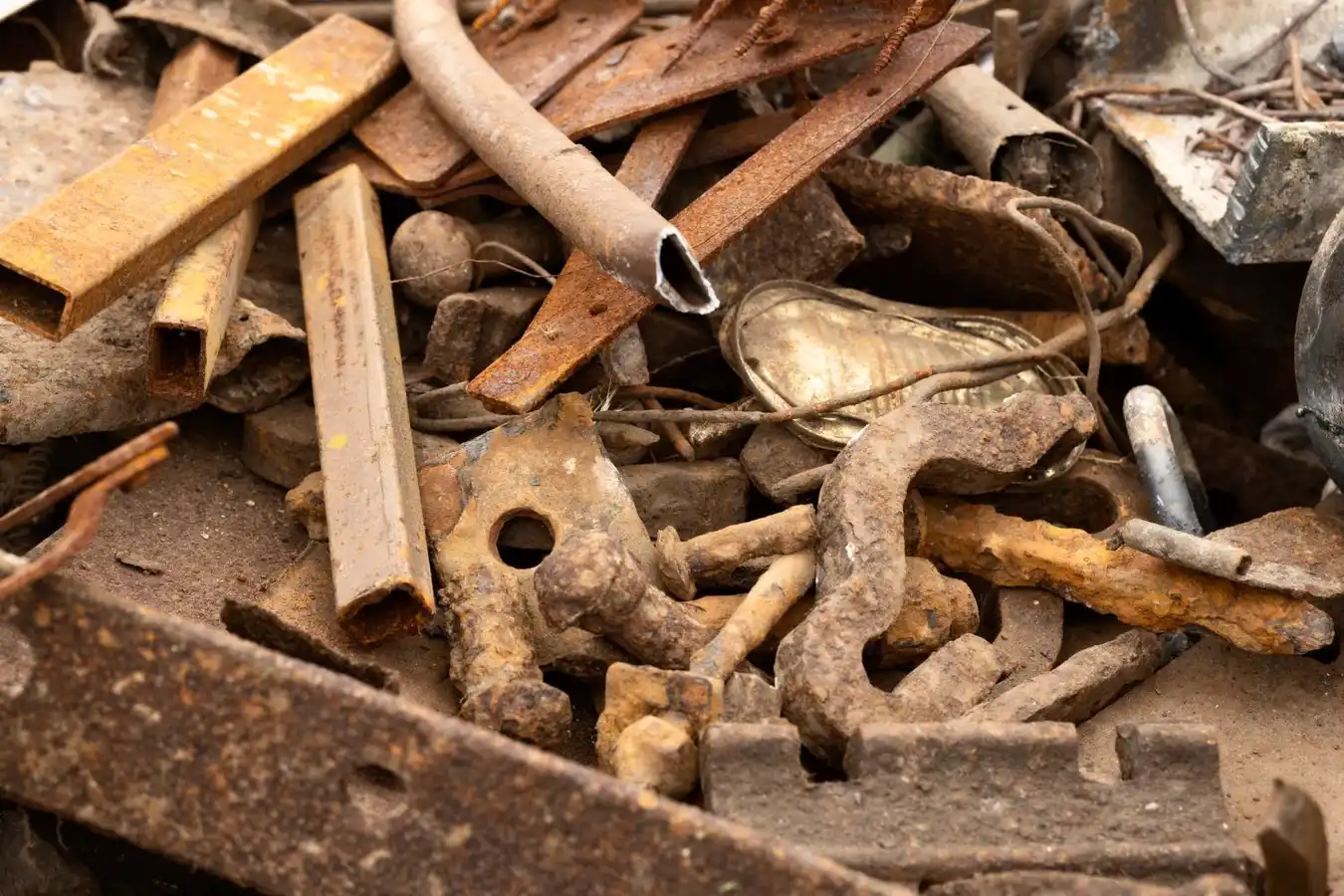
Ferrous metals are iron-based alloys that are highly magnetic and stick to surfaces. Examples include; iron, steel, carbon steel, cast iron etc. These are generally used in car bodies, manufacturing tools and machinery, construction materials and more. Ferrous metals are typically considered easy to recycle due to their magnetic properties, this makes ferrous sorting easy.
Non-ferrous Metals – The Smooth Operators (higher in value)
Non-ferrous metals are metals that do not contain considerable amounts of iron. They are non-magnetic and do not stick to surfaces. Examples include; aluminium, copper, brass & bronze, gold & silver etc. These are generally used in wiring & cables, construction materials, automotive parts and more. Non-ferrous metals are recyclable since they do not rust, and can be used infinitely without them losing their quality.
Recyclable or Not: A List of Metals
Following are highly recyclable items you likely have on hand:
Aluminum:
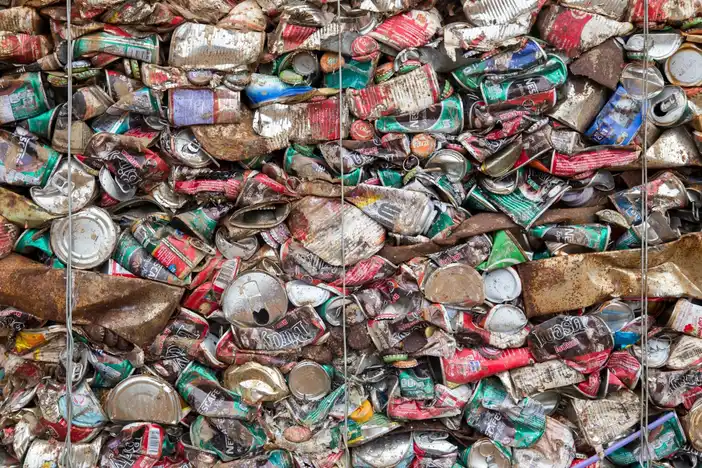
A common metal, found in cans, foils and slidings is highly recyclable. Aluminum is known for its lightweightedness and its non-magnetic property. It can be recycled over and over again in a short span of time with no damage to original quality. Aluminum waste can be used in closed-loop recycling, creating an infinite chain of automotive use. Furthermore, Aluminum can be reprocessed as construction components, aid in energy efficiency and waste reduction.
Copper:
Also known as the red treasure – is a valuable metal that is found in wires, pipes and occasionally in cookware. Copper is known for its superior conductivity and ability to mend almost in any shape. It can be recycled over and over without losing its quality. Copper recycling helps in producing new wiring equipment, construction and plumbing materials.
Fun fact: Nearly 75% of all copper-based products are made from recycled copper itself!
Want a deeper copper-only guide? Read why copper is the most valuable scrap metal to see why copper often leads scrap payouts.
Steel & Iron:
The backbone of the metal industry, typically found in cans, tins and old appliances. Copper is known for its high compressive strength and ferromagnetic properties. It can be recycled over and over again without losing its quality. Steel & iron can be made in new transportation, appliances and household items, infrastructure, packaging and more.
Fun fact: One ton of recycled steel saves 1.4 tons of iron ore, 0.8 tons of coal and 0.3 tons of limestone!
Spot the Metal! Identification Check for Beginners
Choosing the right metal for recycling can seem a little tricky, but with the right shortcuts in mind, your next recycling project will seem easy. Following are some tips that you can use to sort your scrap:
- The Magnet Test: This test involves a magnet and a metal you wish to recycle. Either one of the following will be the result:
- If it sticks: ferrous metal (iron-based)
- If it doesn’t: non-ferrous (potentially higher in value)
- Look For Visual Clues: Some metals appear different in their visual appearance. For instance;
- Copper is reddish-brown in color.
- Steel & iron is silver in color.
- Brass is yellowish-gold in color.
- These cues can help identify your desired metal.
Putting the magnet test to work after a storm? See how it helps with scrap roofing in Brisbane and fencing.
Prepare the Metal: Preparation and Sorting Advice
Presentation matters, even for your scrap metal. Following are few measures to take to maximize the profit value of your discarded scrap:
Cleanliness: Your scrap is mostly likely to get rejected if it still has the tuna residue on it since last week. Recycling facilities look for cleanliness even in something old and discarded, this is because filth equals contamination, and they don’t want that. So, before tossing your metal into a recycling bin, make sure it is clean from dirt or any residue. This increases the chances of your scrap being accepted.
Separation: Also known as sorting, is a process of separating non-metals from metals. See a real-world sorting example. This factor is essential, since it turns your scrap into a more presentable form for the facility. For instance, before submitting your copper scrap from inside wires, be sure to remove the rubber insulation from the outside of it.
Check Local Rules: Some facilities do not accept alloys, some may accept some specific types. It is always best to check the acceptance criteria beforehand, to avoid any fuss at the scene.
The Big E’s: Economic and Environmental Impact
Recycling isn’t just a good deed, rather it is actually a powerhouse for the planet and the pocketbook – they both deserve it, don’t they? Since filtering out your scrap does more than only making your house spacious, every piece of metal you save from the landfill is a big win for your wallet, and for the world.
Let’s have a look at the version of the world, which won’t be built upon the corpses of our soda cans:
For The Environment: Recycling Aluminum uses 95% less energy than mining raw ore. This way, we halt traditional mining practices that strip away forests and contaminate water bodies. The metals you choose to save will be eternally recyclable; they do not lose quality even after infinite processes. Every recycled item also prevents a tragedy in our oceans, where over 100,000 marine animals die each year because someone was too irresponsible to recycle their waste.
For The Economy: Recycling should be seen as a financial win rather than a stout obligation. Why wouldn’t someone choose to recycle when cash is provided almost instantly for their scrap? Or knowing it reduces production costs by 33%? Not to mention, recycling generates far more jobs than landfilling—creating over 1.1 million jobs in the U.S. alone. If you’re sympathetic enough, your recycled scrap could even save a business from expensive disposal and haulage fees.
The future is yours – yours to live, yours to create, what would you choose?
Frequently Asked Questions
Q. Why are some metal items, like needles or hangers, often rejected?
Q. Can all metal types be recycled?
Q. Which metal carries the most market value?
Q. Can you put metal in a recycling bin?
Small steps today, lead to big actions tomorrow. Contact Brisbane Metal to book a scrap metal pick up, or have a chat with our scrap metal buyers.