All the time, every scrap dealer has been through it. You're in the garage looking at that rusted steel frame, a painted aluminum gate, and some greased-up engine parts, thinking you can bring it to the junkyard or take the time to clean them all up on Saturday. The short answer is it can make a difference, but it doesn't always. In some cases, rust makes absolutely no difference. In others, paint could make or break the value of your scrap. In other cases, a ten-minute clean-up before taking it to Brisbane Metal Recycling can make a massive difference. The best way to explain it is with examples, so below we look at common types of scrap and how rust, paint, and dirt can impact each one.
The Big Picture: Scrap Yards Want to Recycle Your Metal
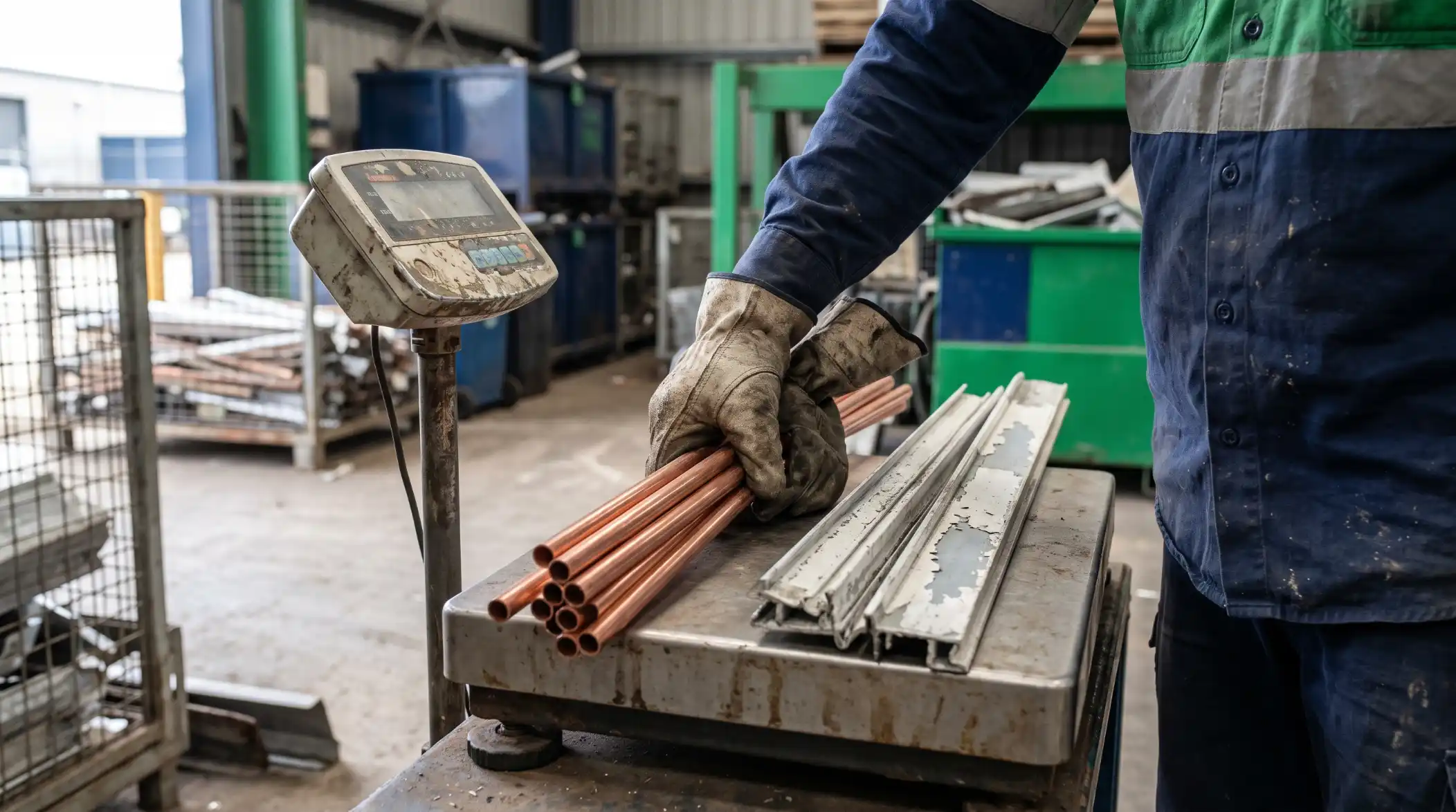
First off, before diving in, keep in mind that the whole point of a scrap yard is to recycle your metal. They will dictate the quantity of metal available to process and the effort required to recycle it. Rust, paint, dirt, oil, plastic, and rubber are all considered contaminants. The more of these there are, the more work it will take and the lower the grade will be. Your metal is not junk, however! The rust and paint are routinely burned off or separated, and many vary the recycling process for the different materials, including steel, that are deposited. The point is whether your scrap is easily recyclable or must be sorted, cut, stripped, and/or cleaned before it can be recycled. Let's go into that a bit.
Rusty Metal
Before: You have an old steel frame trailer in the shed for 1 decade. A brown, granular color that easily comes off under pressure (rubbing). It's like it was taken straight out of the skip. Reality: Most of the time, surface rust on steel and iron won't affect your scrap. Your rusty frame is still steel; it is reacting with oxygen and moisture. Because the overwhelming majority of steel they receive is "rusty steel," yards are forced to deal with it every day. The one thing that will make the exception is the bad rust. If the rust seems crumbly, thin, or riddled with holes, it has less solid metal and will weigh less because some of the metal has been converted to flakes and dust. What's there is what's paid for. After: Most of the time, no need to bother. An hour of wire-brush use isn't going to add much value. It's better to remove any non-steel parts and ensure it is safe to load. Copper, brass, and aluminum don't rust (though you can, of course, get a green patina on old copper and white powder on aluminum). But don't be concerned about these surface changes, as the metal itself is in excellent condition. The metal mustn't be dirty or covered in another material.
Painted Metal
Before: You have a painted aluminum fence panel, a powder-coated steel gate, or an old painted steel toolbox. The paint is a bit peeling, and you're not sure if this will affect the grade. Reality: It depends on the metal. If it's steel, it will probably be OK because the paint tends to come off or fall out during the recycling. Painted gates, sheds, and shelving are very common at the yard. The paint can impact the grade, however, with one of the higher-value non-ferrous metals. Clean and unpainted aluminum extrusions will generally use a higher grade than any painted or powder-coated extrusions. The grade will be separate for painted/powder-coated aluminum (window frames, fence panels, etc.), and price will be per kilogram. This also holds for other metals. The easier the material is located, the easier it is to grade. Paint also can make it hard to determine what you got. A competent yard worker can generally tell the difference between metals by feel (weight), a magnet test, or a scratch test. A completely painted piece is a lot more difficult to appraise. After: Again, in almost all cases, don't bother. Removing paint is time-consuming, messy, and can be dangerous, as the paint can contain something you don't want disturbed, especially on an older piece! Let the yard do it. Nothing can be done other than separate the painted aluminum from the clean aluminum.
Dirty Metal
Before: A deck of grass and mud in the lawn mower, a hunk of copper pipe with oil all over it, or insulation foam still on it from under the house. Reality: Dirt is the most controllable of the three. Mud, grass, concrete, oil, grease, and grime are all non-metal and will not add value, and they are not paid for on a steel part when they are dried. Dirt also complicates implementation of grading. You can't expect greasy aluminum to be cleaned up to the fixation on "clean" aluminum, and sludge or foam in copper pipe won't look like "clean" copper pipe. If this is difficult to identify, or if it is clearly contaminated, then it will go to a lower grade or a mixed grade. After: A little bit of tarnish goes a long way. Remove any loose dirt, drain any materials appropriately, and sever any apparent connections. This will only take about a few minutes. The more the copper pipe can be separated from the plastic fittings and insulation, the easier it will be to grade and remove; separating the aluminum will make identification much easier. Never empty or handle any fuel, oil, coolant, or chemicals unless you're sure you know how to do it safely. If it has ever had any liquid (engine, motor, compressor, fuel tank, etc.) installed in it, you must contact the yard and ask how it should be brought in. Remember, it's always safer, and better, to ask first what can and cannot be accepted.
Three Sellers, One Morning
Suppose that 3 people arrive at Brisbane Metal Recycling on the same morning. These are indicative only, not real customers, and prices may vary with market conditions. Person 1 had old steel (a rusty fence, an old water heater frame, and some metal shelving) loaded onto a trailer. All of it was rusty and painted with light paint. They had removed the wood from the shelter and the plastic caps from the fence. It was easy to grade as it was all one type of metal, easy to identify with a magnet, and had no attachments. Rust & paint were not significant. It took them 20 minutes to remove the non-metal bits. Person 2 was tasked with collecting a somewhat varied collection of clean copper pipe, painted aluminum window frames, clean aluminum offcuts, and a few steel brackets. Two buckets were used for the copper, one for the clean aluminum, one for the painted aluminum, and a box for the steel brackets. It was all immediately put in its own box, and no one tried to diminish it or put it away—it took an hour to sieve all that. Person 3 had dirty copper wire, greasy aluminum, rusty steel, some pieces of plastic, and a bag of assorted hardware thrown all over in the trailer. The sorting was more time-consuming, and with some of the more desirable metals being very difficult to identify and/or highly contaminated, more was downgraded than desirable. They still received payment for the metal, but not as much as they would have been paid if they had been able to. All three parted their line of communication in the not-so-Irene of the Moses. It was not the rust, the paint, or the dirt. It was the difficulty that each had had in making her load easy to read.
Metal Type and Metal Sorted
The easiest thing to get lost in is the appearance of the metal, but the look of the metal comes a distant second compared to what kind of metal it is. A rusty steel ball will be worth even less per kg than a dirty copper ball. Contamination is usually within one type of metal, not between different metals. Sorting is the best course of action. You can use a simple magnet to determine whether it is ferrous. If it's not magnetic, take a closer look, as it could be Al, Cu, brass, or stainless steel (all of which can be worth more than steel). Keep them separate from your bulk steel, as they'll be worth more on their own.
A Simple Routine
If you want something easy that pays off, take the plunge. Separate your items with a magnet. Get rid of everything that is obviously not metal (plastic, rubber, timber, foam, etc.). Remove loose dirt and mud; don't spend ages scrubbing, and don't worry about rust or paint. The only exception is to keep the painted aluminum separate from the clean aluminum. Set aside any containers, utensils, or items that previously contained fuel, oil, gas, or chemicals, along with your photo ID. It's really that, if you have a lot, it'll only take an hour or so.
Do not be put off by contamination!
What matters is not being deterred. That's what the old, tired, weathered metal of the scrap yard is all about. It is something that we use daily. You have been succumbing to peer pressure and not going to the pile behind the shed because it looks so bad and doesn't seem to contain anything of value. Please take it in so we can weigh and grade it. You'll find out what your particular metal is worth, free up some space at home, and you may be pleasantly surprised.