A big storm passing through Brisbane rarely happens gently. Hail dents roofs, strong winds tear sheets off sheds, fences lean or collapse, and gutters blow into a neighbor’s yard. After the shock subsides, you’re left with twisted metal and a long clean-up. It can be stressful, particularly when everyone in the street is dealing with the same mess at the same time. Thankfully, many of these ruins can be recycled, and some have scrap value. Brisbane Metal Recycling recommends the following ways to do this safely, sensibly, and with some money back in your pocket.
Metal can be recycled, and in this case, Storm Metal is worth it. Why is Storm Metal worth recycling?
Another material you can recycle is metal. Dented roofing and bent fence panels aren't rubbish; they can be melted down and reused as steel and aluminum. These are natural resources that can be reused. This not only reduces the amount of heavy, bulky material that ends up in landfills, but it also means the metal doesn't need to be mined and processed again. There’s a practical reason too. A normal household waste container and skip will not cope with the volume of metal produced by storm damage, and it can be an expensive week to pay to dispose of it. When combined with all the other repair, quotes, and insurance-related paperwork you'll likely need, recycling it offers little return on your disposal costs.
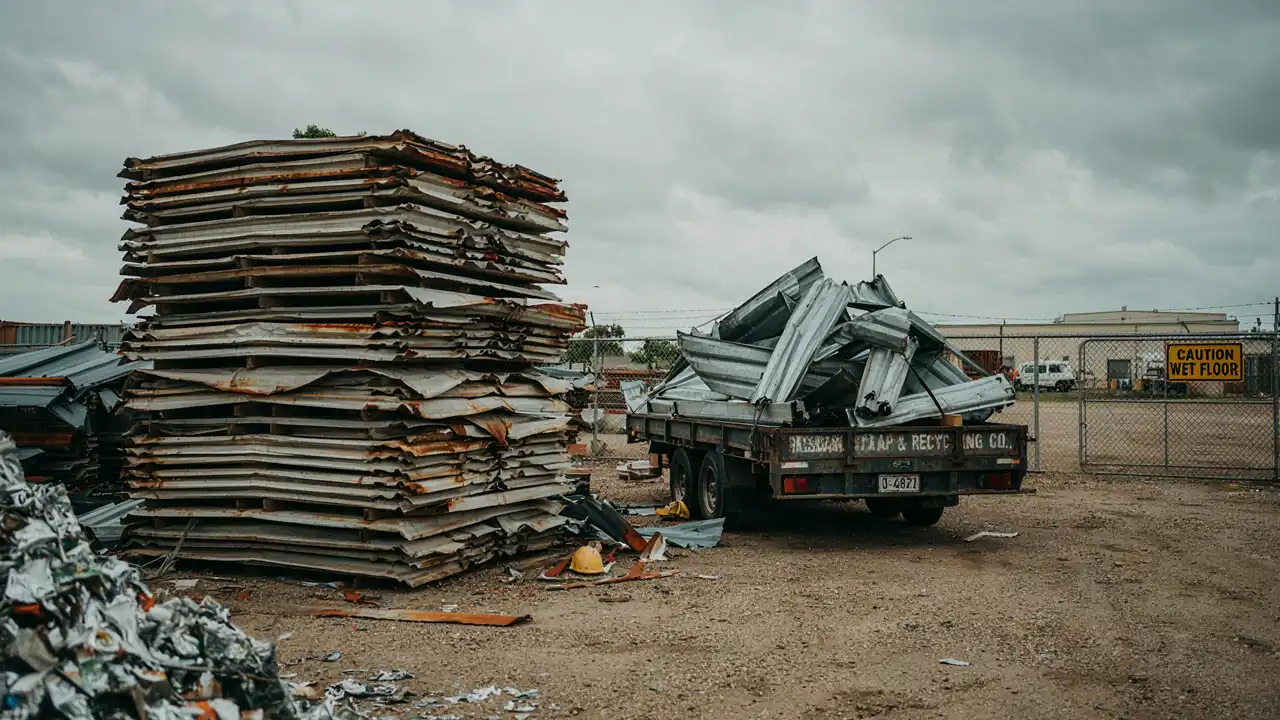
Safety Comes First
Don’t scrap; think safety first. Always avoid touching downed power lines, and treat all power lines as energized. Never go on damaged roofs, and use caution around weakened roofs that may move. After a storm, broken glass, sharp edges, and exposed screws are common, so always wear sturdy gloves, boots, and eye protection. If your roof is exposed to weather or it appears unstable, call for assistance. The State Emergency Service can help with immediate roof damage and provide temporary cover, which licensed tradespeople can make safe. The scrap value is an additional value. Safety comes first, and an injury is no price to pay for a pile of metal.
Before clearing anything, talk to your insurer.
Do this before hauling any metal if you plan to make an insurance claim. Document the damage with clear photos from many angles, and review your policy or call your insurer to confirm what they need. Some insurers will require you to show or evaluate damaged items before you dispose of them, while others will require receipts or quotes. It’s also helpful to jot down what was damaged, roughly when it happened, and what you have done since (even if it’s just a few notes on your phone). If the insurer has the necessary materials and a “clean bill of health,” they can recycle the material. The more you document, the more protected you will be, and it’s free.
Check for Asbestos
This is the number one warning from this guide. Older buildings, sheds, and fences may contain asbestos because people used it in building products until 2003, when it was banned nationally. Old roof sheets, fiber cement fences, and wall cladding can be affected; pieces can break off in a storm, releasing fibers. If you suspect that a sheet is asbestos cement and not metal, you should not touch, break, cut or drive over it. Stay out, keep pets away, and consult a licensed asbestos professional to identify and clean up. Only a metal recycler can recycle metal, and asbestos requires special handling by a licensed asbestos handler. When in doubt, treat it like it may be asbestos and get a professional opinion.
What type of metal might you have?
The amount of recyclable metal you can clean up after a storm is surprising. Typically, the largest item is roofing sheets (steel or aluminum). Guttering, downpipes and flashings are readily available, as are metal fence sheets, posts and gates. Often, shed frames and wall sheets, carport and patio frames, aluminum window frames and screens, and garage doors are also affected. Check out the yard as well. Trampoline frames, swing sets, barbeques, rotary clotheslines, and outdoor furniture can all be bent to the breaking point and are recyclable metal. Hail may also damage outdoor air conditioning units. These contain refrigerant that a licensed technician must extract before the unit can be recycled, so arrange that step first.
The cleanup process will take place in several stages. The cleanup will be staged.
A large cleanup is easier when broken down into stages. Begin with the unsafe or obstructed areas (driving or walking to the front door, areas where children or pets play). Once those are sorted, move on to larger items such as roofing sheets, fence panels, and the like, and finish with the smaller bits and pieces. Take breaks, drink lots of water, and don't work in the heat. Storm clean-up is a physical task, and a tired person tends to make mistakes with sharp metal and heavy loads. When neighbors are at a similar stage, they can work together and finish faster; if a trailer is available, it's easier to use for a single trip than for each neighbor to use their own.
Write your words, as follows: Write your words as follows:
A little preparation will make the cleanup quicker. Remove as much non-metal material as possible. This encompasses timber, plastic, glass, insulation and foam support behind roof panels. Remove any loose screws, bolts or other fixings where they can be removed, and fold or flatten gutters and downpipes so that they fit in compactly. Place sheets of roofing in a stack and bundle, being careful with sharp edges. Never use cutting tools unless you're sure you can use them and are wearing the necessary protection, as sheet metal can cut through skin very quickly. As you work, separate the metals into piles: a quick way to separate steel is to use a magnet; if it sticks, put it in one pile; if it doesn’t, put it in the other.
Steel or Aluminum?
Coated steel is used in many roofing sheets and fence panels; aluminum is used in window frames, window screens, gutters, and some roofing and fencing. This matters because aluminum is generally more valuable per kg than steel. A magnet will do the trick. If it sticks, then it’s steel. If it does not, it is likely to be aluminum and will feel much lighter. Keeping them separate will help you and the yard, and it will help you see what you have. If you're unsure, take a sample along—Brisbane Metal Recycling can confirm whether it's one of the items in the box.
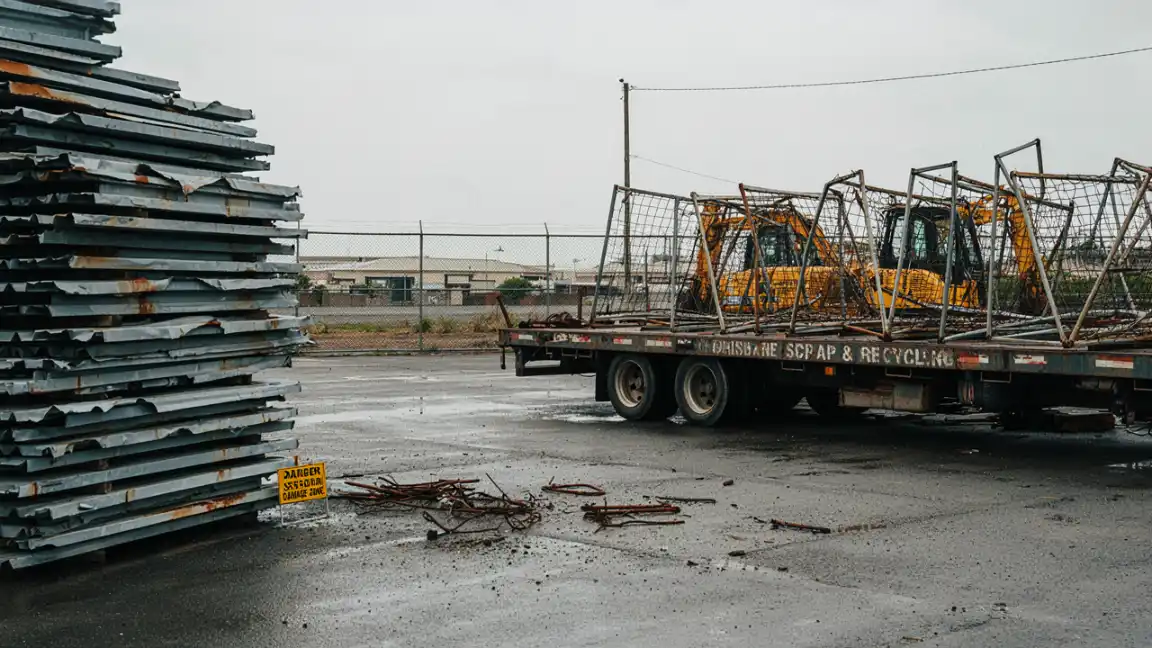
Getting It There Safely
Roofing sheets and fence panels are long, awkward, and sharp, so transport them carefully. Use a trailer or a vehicle with sufficient capacity, load the heaviest items first, and keep the load low and balanced. Use the appropriate restraints to keep all items contained from falling or rising in the wind while operating a vehicle. Mark anything protruding behind your car, and follow road rules for overhanging loads. You may need multiple trips if you have a lot of material. Ask a neighbor or friend to help, or, if the load is large, consider multiple smaller loads instead of one large one. It’s always better to be calm and secure when traveling than to rush.
Keep the rest out of the mix. Keep the rest out of the mix.
Storm debris is usually not pure metal. It will be a mix of materials, including timber, broken glass, plastic, roof insulation, and green waste. Sort and separate these for disposal, and don't throw them in with your scrap. Keeping metal clean will let the yard see it quickly, and you will not have to pay to move metal with no value.
Setting Realistic Expectations
It’s important to understand what scrap can do. Damaged roofing and fencing will not be worth much unless repairs are extensive, and they're only worth as much as the market dictates on the day, based on the amount of metal involved. However, it can reduce clean-up expenses and help keep a significant amount of material out of landfills. You don’t see a heap of broken-down metal; you feel satisfied knowing it will be melted down and made into something new. Call ahead to book an appointment, confirm what the yard will take, and arrange transport, especially for large or unusual items. A brief chat is well worth your time, especially if you have a lot to handle.
Call Brisbane Metal Recycling to arrange pickup of your metal waste for recycling. Call Brisbane Metal Recycling to collect your metal waste items for recycling.
Cleaning up a storm is tedious enough, and you don’t want any more trouble. Be safe, check with your insurance provider, test for asbestos, and bring your metal in. Brisbane Metal Recycling is available to assist Brisbane households and businesses to recycle storm damage. Contact us, and let us help you clear the yard and get value for your efforts.